Across the (pharmacy) pond: University of North Carolina students visit community pharmacies

Pharmacy students from the University of North Carolina recently crossed the pond to visit community pharmacies and complete placements across Central and North West London’s NHS “primary care clinical services”.
The ten students who made the trip are currently completing their pharmacy doctorates at the Eshelman School of Pharmacy, and came to the UK as part of the PharmAlliance partnership between UCL School of Pharmacy, Monash University and the University of North Carolina.
Read more: Give pharmacy students full access to NHS funding, urges RCPharm
The students undertook placements across mental health, addictions, ADHD prescribing, eating disorder services, and community mental health.
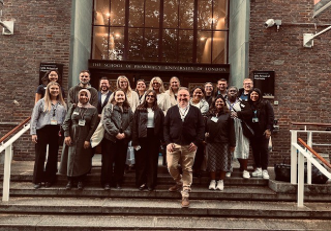
The placements also included visits to Day Lewis and Pearl Chemist community pharmacies to help the students “develop a deeper understanding” of “pharmacist prescribing” and provide “additional perspectives on pharmacist-led care in the UK and how it compares to the United States”.
Read more: QUB tops new pharmacy schools rankings for 2027
The PharmAlliance partnership hopes to encourage cross-health system collaboration and response to global health challenges by helping pharmacy students develop “intercultural communication skills” and an “appreciation of global healthcare systems”.
The visit comes after pharmacy school applications doubled over six years, with the Pharmacy Schools Council attributing part of the rise to “growing interest from abroad”.
It also follows proposals by the GPhC to reduce training for internationally qualified pharmacists to one year.