‘Increasingly inconsistent' barcode issues impacting on secondary care provision

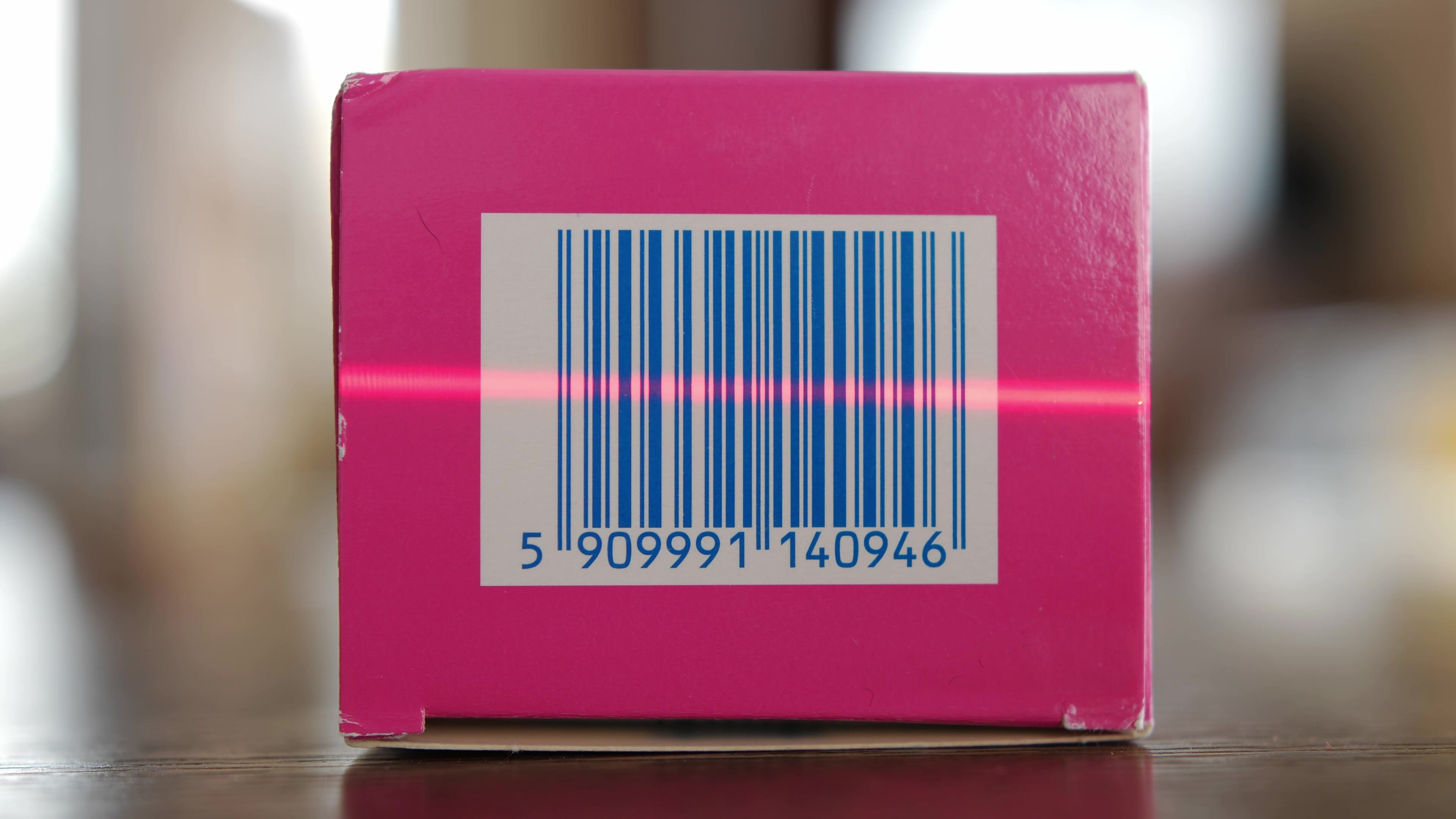
Missing, incomplete or inaccurate barcodes are affecting pharmacy workflows in “more than half” of secondary care organisations, a new report has found today.
The report, carried out by standards-setting member organisation GS1 UK, researched the impact of barcode quality issues on NHS pharmacy services and includes a survey it conducted between March and April.
It found 57% reported a “moderate to severe impact on pharmacy services and operational workflows” and highlighted the “operational, patient safety and strategic risks” from the responses.
Read more: NHSE seeks ‘further evidence’ over ‘poor-quality’ medicines barcodes
GS1 UK found there were patient safety risks “resulting from workarounds”, “operational inefficiencies” are affecting robot dispensing and stock management, and there are “barriers” to implementing end-to-end closed-loop medicines management.
It follows concerns raised with Community Pharmacy England (CPE) in May of unusable barcodes on medicines packs and “inconsistent use” of Global Trade Item Numbers (GTINs) that is affecting patient safety and pharmacy workloads.
Consultation
CPE announced that NHS England launched a survey at the time to look at the patient safety impact of barcode quality issues, and this is expected to be published at the earliest in late 2026.
C+D previously reported that since the Windsor Framework was implemented in January 2025, the inclusion of a 2D barcode on medicine packaging has been optional.
The European Union’s (EU) Falsified Medicines Directive (FMD) mandated GTINs in 2D barcodes but since the end of 2020, this no longer applies in Great Britain because the UK left the EU.
Read more: RPS backs barcode regulation for patient safety as concerns grow
Since then, GS1 UK said barcode use now has become “increasingly inconsistent” and it has created a “growing patient safety and operational risk for NHS pharmacy services” and affects community and hospital pharmacy, wholesalers and distributors.
Former minister for health innovation and safety Dr Zubir Ahmed in April announced that the government intends to run a consultation on mandating barcodes on all medicine packs.
The Department of Health and Social Care (DH) told C+D “patient safety is paramount, which is why the government is examining what barcodes may be required on medicines packaging".
Read more: Barcode accuracy must be treated as a patient safety issue
It comes after the Royal College of Pharmacy (RCPharm) backed NHSE’s call for mandatory 2D barcodes on UK medicines packaging, and the inclusion of GTIN information in the licensing process for medicines.
Royal College of Pharmacy president Tase Oputu said "consistent use of 2D barcodes supports safer patient care, improves traceability and helps digital systems work as intended” and encourages pharmacists to “continue reporting barcode issues to help build the evidence for change”.
Survey
The GS1 UK survey, responded to by 44 anonymous UK NHS trusts, mental health and specialist services, found 64% received medicines without barcodes in the previous month affecting packs from one to more than 150.
Some 46% said they received unscannable barcodes affecting packs from one to more than 20, and 25% had received medicines with incorrect or mismatched barcodes affecting packs from one to 10.
Read more: MHRA issues alert after pharmacy robot spots drug barcode error
The report said missing, inaccurate or unscannable barcodes “disrupt routine and automated pharmacy processes” and impacts stock management, automated storage and retrieval systems, robotic dispensing, hub-and-spoke dispensing, accuracy checking and medicines product recalls.
GS1 UK senior engagement manager Amna Khan-Patel said the survey shows poor barcode quality is “increasing manual work for NHS pharmacy teams and reducing the benefits that digital and automated systems are designed to deliver”.
It leads to pharmacy teams manually verifying medicines that “increases workload, slows operational processes and reduces the intended benefits of national investment in digital pharmacy infrastructure”.
Read more: Do not ‘risk health’ by buying illegal meds online, urges MHRA
Missing or unreliable barcodes “reduces the safety benefits of point-of-care scanning” as it means closed-loop medicines administration cannot take place to check the medicines against the patient and prescription.
The optional use of 2D barcodes can risk the “move from analogue to digital” as well as “constrain the scalable adoption of digital medicines systems” and “reduce confidence in automation”.
GS1 UK said its survey “suggests a gap between the availability of digital infrastructure and its routine operational use” as with nearly quarter using dispensing robots, only 44% scanned medicines “at receipt” and 25% “at dispensing”.
Recommendations
Khan-Patel said a “consistent approach to barcode standards” needs to be maintained when considering future medicines packaging requirements.
GS1 UK announced five recommendations to “protect patient safety”, “maintain medicines traceability” and support the continued digital systems adoption across the NHS.
Read more: Patient safety: Are workforce pressures impacting patient care?
It includes:
- Maintain 2D Data Matrix barcodes on UK medicines packaging during the policy review period
- Establish clear regulatory requirements for barcode use
- Strengthen national reporting and monitoring of barcode issues
- Use the emerging evidence base to inform national policy
- Maintain cross-sector engagement on medicines barcode standards
It follows a parliamentary petition being launched in October to make GTIN barcodes mandatory to “protect patient safety” - the same month a pharmacy using robotics sparked a medicine recall after reporting duplicate GTINs being used on some medicines.
In October, Pill Sorted superintendent pharmacist Zeinab Ardeshir wrote for C+D about the consequences of inaccurate barcodes for the sector.