‘Widespread concerns’: New documentary reveals scale of OTC addiction

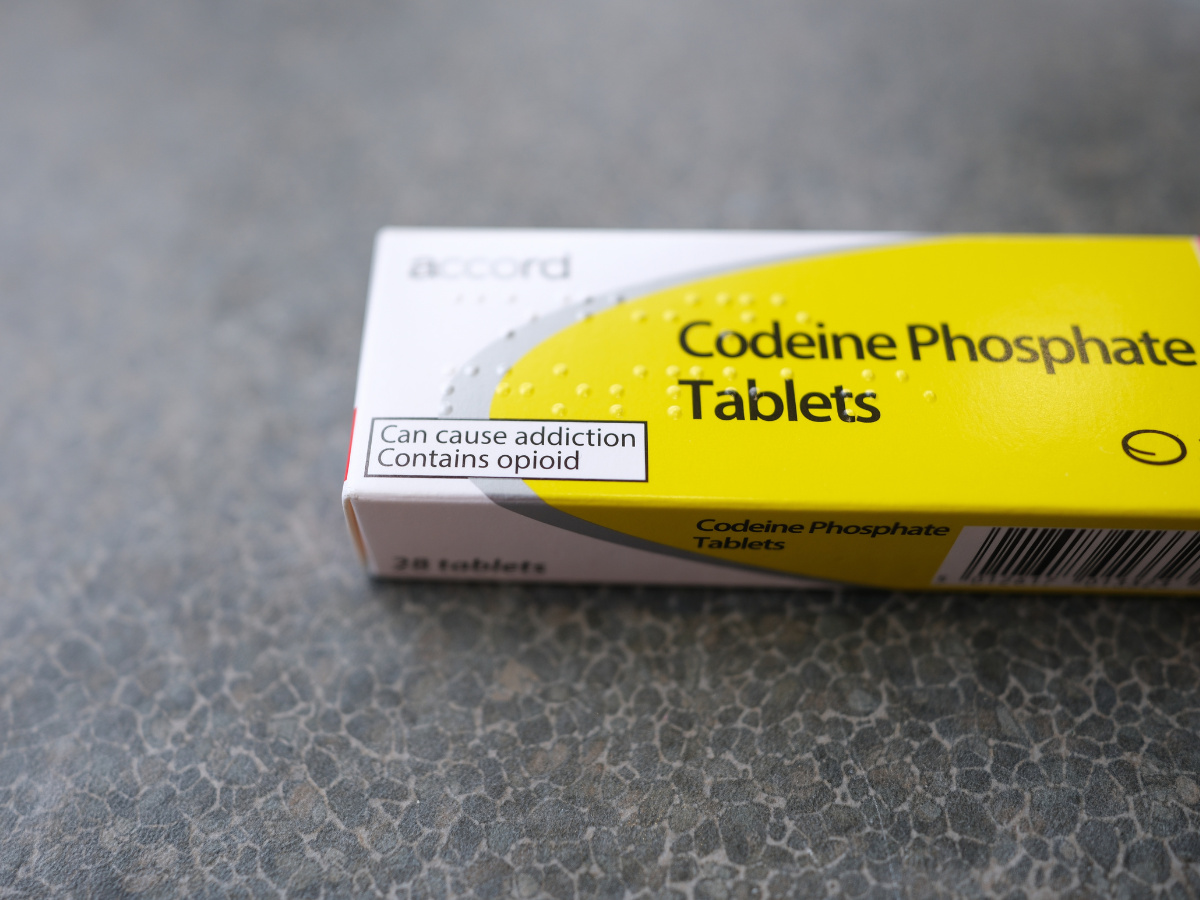
More than one in three users of non-prescription codeine, or around 10 million people in the UK, could be at risk of addiction, an ITV documentary has found.
It commissioned Savanta to carry out a survey of more than 2,000 people across the UK, and seven out of 10 said they had taken over-the-counter codeine.
It found nearly one in five people using codeine-based painkillers did so for more than ten days in a row, and one in six took them for up to nine days.
Read more: GPhC act after online pharmacies accept AI images for GLP-1s
ITV spoke to a former NHS employee who racked up £8,000 worth of debt buying 20 boxes of codeine a week.
To avoid pharmacist’s suspicions of potential abuse of the medication, she would do a “pharmacy hop” to drive to different pharmacies to get her codeine.
The programme said there was “a frankly shocking lack of official data on the scale of the issue”, with no centralised sales data of codeine-based painkillers.
Read more: GPhC ‘really sorry’ after anorexia patients access weight loss jabs
ITV reported there are “widespread concerns” of a “hidden over-the-counter dependency crisis” in the UK, with this extending to sleeping aids and nasal sprays.
An IPSOS survey commissioned by ITV last year suggested up to 5.5 million people were at risk of nasal decongestant dependence for using them longer than the recommended seven days.
Read more: ITV to shine a light on community pharmacy in new documentary
Since that survey, the Medicines and Healthcare products Regulatory Agency (MHRA) announced the use of some nasal decongestant sprays has been limited to a maximum of five days.
And a separate survey into sleep aids containing H1 antihistamines, it found one in six users of Nytol, one in five users of Sleepease and over a third of Phenergen users used sleep aids for longer than recommended.
“Undermines safety”
The Pharmacists’ Defence Association (PDA) said ITV’s findings “reinforce long-standing concerns within the pharmacist profession about the risks associated with medicines that are readily accessible but carry addiction potential”.
It said pharmacists are a “critical safeguard in preventing misuse” and that according to a recent PDA survey, pharmacists were worried the facilitated self-selection of P-medicines (P-meds) can lead to more harm as it “undermines patient safety and professional oversight”.
It said pharmacists believes self-selection risks “shifting decision making away from clinical professionals and into a retail environment”, with the majority of its survey respondents opposed to self-selection.
Read more: ‘Gamechanger’: Govt formally introduces Single Patient Record
The PDA supports the development of a single patient record (SPR) to give pharmacists access to an overview of a patient’s medical history.
It said including interactions with patients on over-the-counter medications would help identify those experiencing addiction and prevent further harm.
And it added that patient safety “must come before convenience and commercial interests” and the ITV report “strengthens the case against relaxing controls on access to higher risk medicines”.
Read more: P-meds: PDA slams ‘misguided and premature’ RPS U-turn
It follows the Royal College of Pharmacy’s (RCPharm) U-turn in July. Originally it had said it was in favour of the self-selection of P-meds which the PDA described as “misguided, premature and potentially harmful” at the time.
This week, RCPharm president Tase Oputu said ITV’s reporting showed the “important role pharmacists play in helping patients use medicines safely”.
"Pharmacists are trained to identify signs that someone may be using medicines such as codeine for longer than recommended,” she said.
“Anyone who finds themselves needing these medicines for longer than recommended should speak to their pharmacist.”
Read more: MHRA boosts dependency and addiction warnings on some meds
The National Pharmacy Association corporate affairs director Gareth Jones said it’s “important that people have access to effective pain relief, however this should be accompanied by advice from a pharmacist”.
"Medicines have the power to harm as well as to heal and patients should always be supported to understand fully the side effects of any medicines they are taking, including those bought over the counter,” he added.
It comes after the General Pharmaceutical Council (GPhC) suspended a pharmacist for 12 months for stealing codeine from a pharmacy and giving a patient “excessive quantities” of co-codamol, among other things.