‘Embedded in perpetrator networks’: Pharmacy roles revealed in Nazi Germany

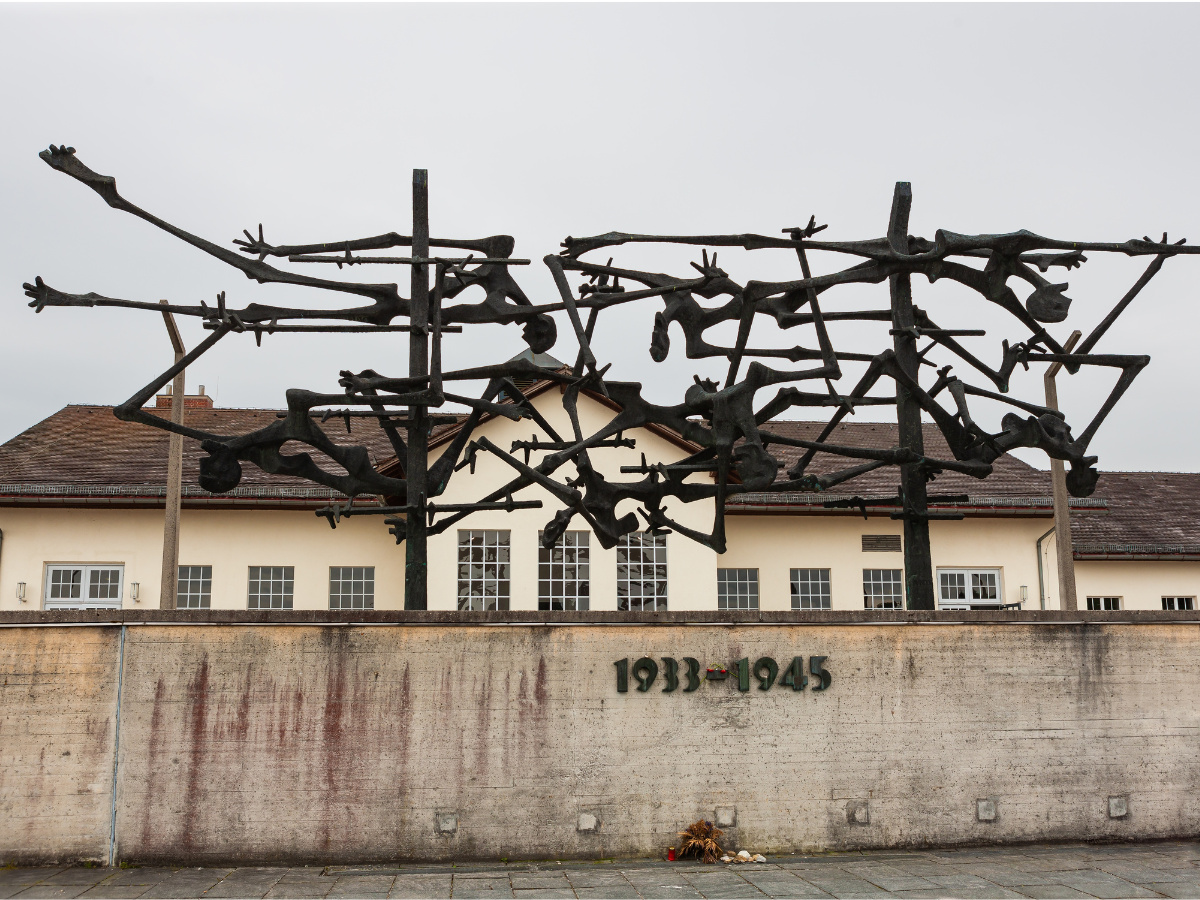
Pharmacists “enabled and sustained” medical crimes in Nazi concentration camps during World War Two, according to a new study published last month.
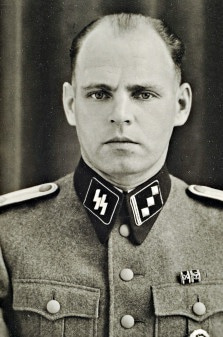
RWTH Aachen University researchers Nico Biermanns, Madeleine Ritters and Dominik Gross analysed the life of concentration camp chief pharmacist Herbert Siggelkow to examine the complicity of pharmacists in committing these crimes during this period.
Previous research on pharmacy during the Nazi regime had focused on the “Nazification of the profession” and “exclusion of Jewish colleagues”.
Read more: ‘Oldest pharmacy in world’ opens in Harrods
Only “a few” studies looked at pharmacists in the concentration camp system and the Waffen-SS, which was the military branch of the Nazi Party’s Schutzstaffel that policed Germany.
The researchers from the German university said the understanding of pharmacists as Nazi perpetrators was “rather vague” and “little is known” of their “actual practices and concrete involvement” in medical crimes.
But from archival research, interrogation transcripts and SS records, “contrary to common postwar narratives” they concluded that pharmacists were “embedded in perpetrator networks and complexes of medical crimes”.
Co-responsibility
Published in journal Pharmazie, the research found that of “nearly 22,000” German pharmacists in 1940, 33.7% were members of the Nazi party.
Numbers for the medical profession fell within a “similarly high range” and were comparatively higher compared to lawyers and teachers.
The researchers outlined three areas of “pharmaceutical perpetration” in the concentration camps: the medical neglect of prisoners, the killing of sick and incapacitated prisoners by injection, and coerced medical experimentation on prisoners.
Read more: Exploring pharmacy museums around the world
The latter included experiments on immunisation and treatment of malaria, high altitude, hypothermia and infection treatment.
It found pharmacist Siggelkow “bore substantial co-responsibility” for the concentration camp crimes and added “beyond the fundamental possibility of refusing camp service”, his “individual latitude” to not take part in these crimes was “limited”.
Read more: How were Pharmacy First conditions treated 1,000 years ago?
The researchers said Siggelkow was “not an opportunist” but a “convinced adherent of Nazi ideology” after he joined nationalist paramilitary association Wehrwolf in 1924 as a student, before joining the Nazi Party in 1932.
During the war, he was camp pharmacist at Dachau and Sachsenhausen concentration camps and chief pharmacist of the concentration camp medical service, as these positions “afforded him a status he would likely not have achieved in civilian life”.
Shift
Siggelkow was one of “very few” who had “precise knowledge” of medical shortages in the camp system that he “personally sanctioned” and was responsible for diverting medicine for the prisoners to SS personnel.
He also ordered, administered and distributed poisons which were used to kill prisoners, and oversaw the quantities requested by other camps.
With his professional relationships with other senior officials, alongside his teaching and inspection duties, it was “inconceivable” he would not have known what these poisons were used for.
Read more: Pharmacy ‘ghost sign’ uncovered by new ‘escape room’ tenants
And Siggelkow supplied the camp research stations who committed the “criminal practice of coerced human experimentation”.
He had acted “clearly to the detriment of prisoners” in Dachau but this changed at Sachsenhausen as a German victory became less likely.
He “increasingly doubted himself” as he “experienced the bankruptcy of his former convictions” and his “personal demeanour” towards the inmates “shifted markedly” which led to him using his position to improve the provision of medicines to inmates.
Postwar
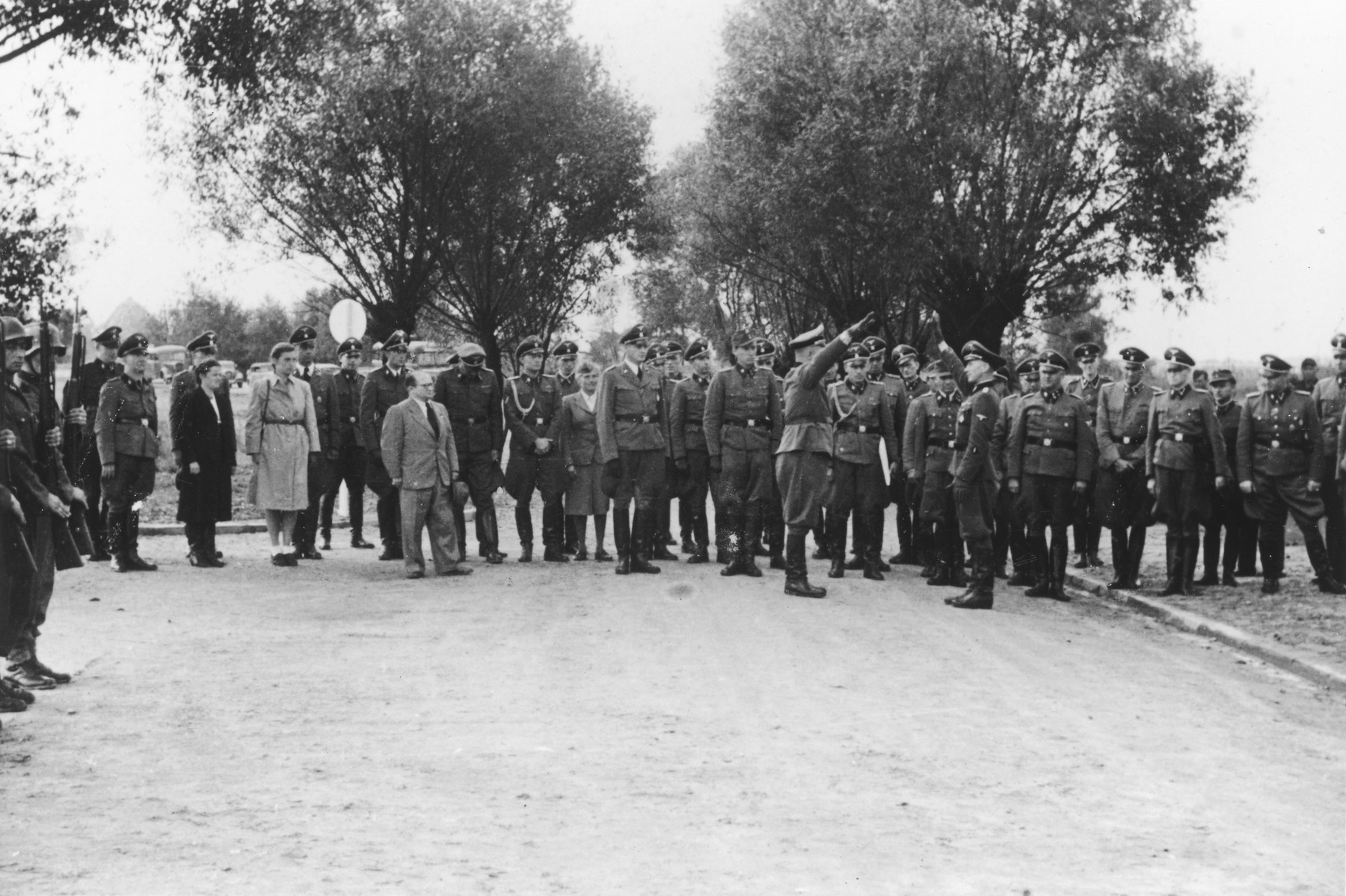
Siggelkow was held in British captivity by May 1945 and became a prisoner of war, before being transferred to an internment camp.
He then went to Nuremberg as he was on trial as an SS perpetrator in the US military tribunal the “Pohl Trial”.
His charges were dropped and then he faced proceedings in a denazification tribunal of the “general charge of continued membership in the SS”, but he was acquitted.
Read more: Pharmacy in the 17th century: a look inside an apothecary’s shop
In 1949, a denazification review board for pharmacists “exonerated” him but in an appeal, he was convicted of “membership in an organization declared criminal”.
He faced nine months in prison, but this was “deemed served” because of his time in the internment camp.
Over twenty years, Siggelkow was interrogated as a witness in West German trials of Nazi perpetrators and a murder investigation into him was “discontinued” in 1974 over a “lack of evidence”. He died two years later.
In May, C+D spoke to a tour guide who recently visited North Korea to find out what pharmacy is like in the country.